From Sample to Bulk: What Happens After You Approve a Garment
Sample approval feels like the finish line. It is actually the start of the part that determines whether your bulk matches what you signed off.
You approved the sample. The next question most brands ask is when the goods will arrive. The more useful question is what happens in between, because that sequence is what determines whether the bulk matches the sample sitting on your desk.
Step one: the specification is frozen
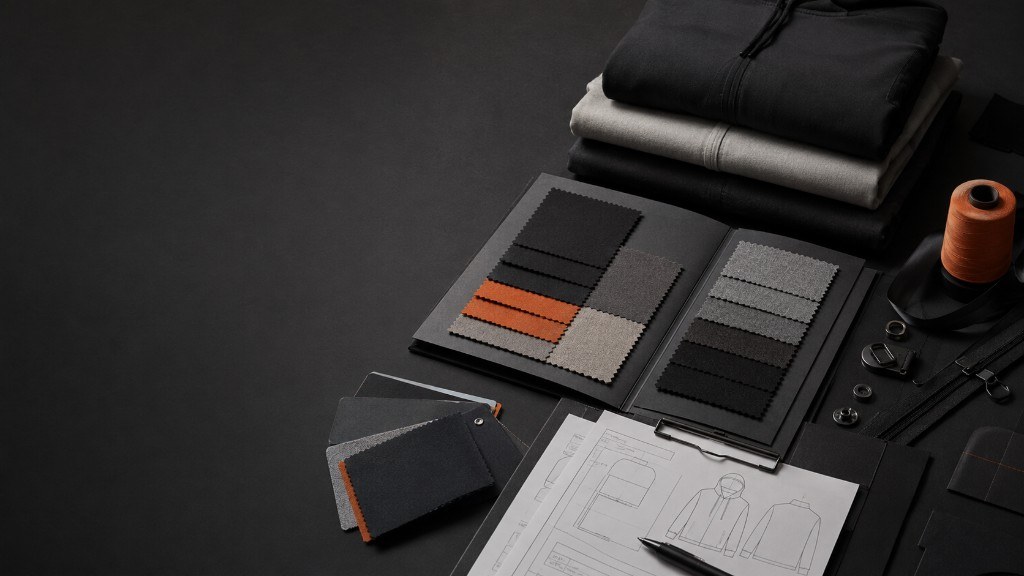
Your approval converts the sample into a written specification: final measurements, fabric reference, trim list, branding placement, packing instructions. Everything downstream references this document. If you want a change after this point, it needs to be raised immediately — after cutting, it is expensive.
Step two: bulk fabric arrives and is inspected
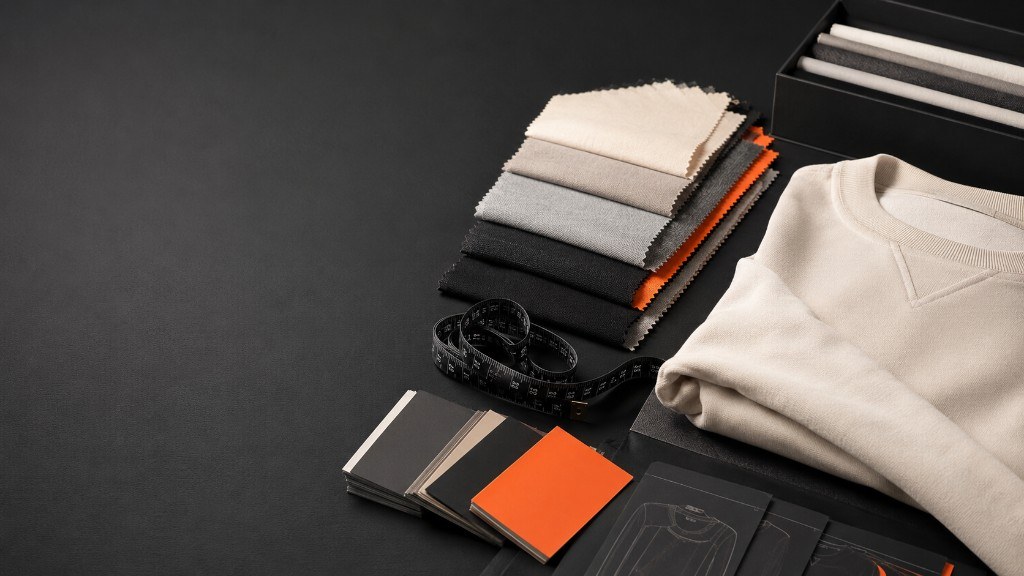
Bulk fabric is a different production run from sample fabric, so it is checked on arrival for weight, width, shade against the approved lab dip, and visible faults. Shade banding across rolls is the issue that catches brands out: if rolls vary, panels cut from different rolls can end up in the same garment.
Step three: cutting
Panels are laid out on a marker that maximises fabric yield, then cut in stacked layers. Each bundle is ticketed by size and colour. Once fabric is cut, the order is committed — this is the genuine point of no return.
Step four: printing and embroidery
Where branding is applied to flat panels rather than finished garments, it happens now. Panel printing gives better registration and avoids the distortion that comes from printing across a completed seam.
Step five: sewing and in-line inspection
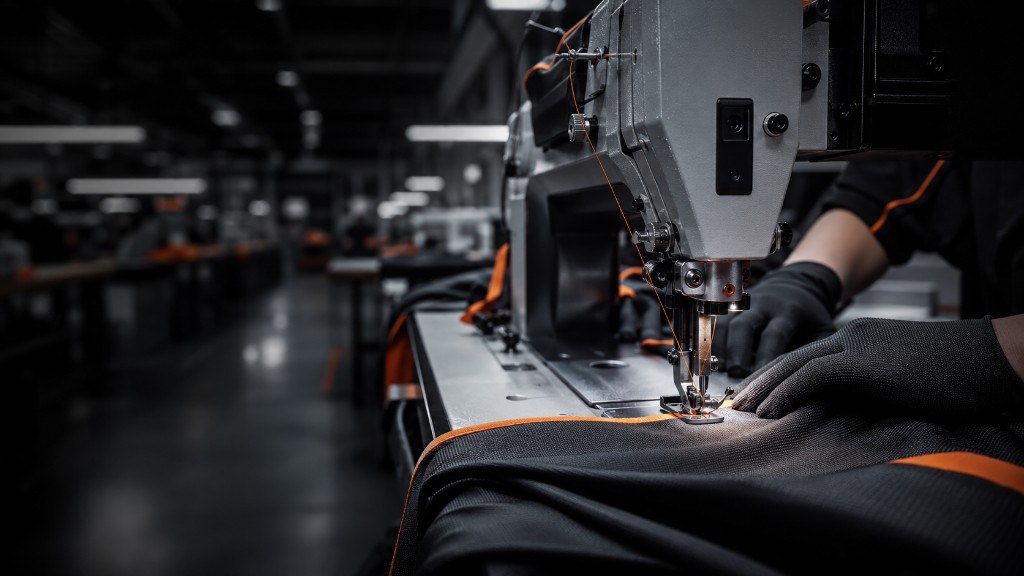
Bundles move through the sewing line. In-line checks pull samples at intervals to catch problems while there is still time to correct them. Waiting until the end of the run to inspect means a systematic error affects the entire order.
Step six: finishing and pre-shipment inspection
Trimming, pressing, labelling, and a final inspection against your specification to an agreed AQL standard. Measurements are checked across sizes, print placement is verified, and packing is confirmed. You should receive an inspection summary before goods leave.
Step seven: packing and dispatch
Folding, polybagging, tagging, carton marking and documentation. If your goods are going into a distribution centre, barcode and carton labelling requirements need to be supplied early — retailers reject non-compliant cartons routinely.
What you should be receiving
At minimum: confirmation when bulk fabric passes inspection, a photo update at cutting or early sewing, and an inspection report before dispatch. If you are not getting these, ask for them.
- #Sampling
- #Production
- #Quality Control
Turn This Into a Production Plan
Send us your product idea, category and target quantity. Our team will reply with fabric options, indicative MOQs and a realistic timeline.